BUSINESS B2B
how to avoid paying taxes legally, how to avoid tax legally, how to avoid taxes legally, how to avoid taxes legally us, how to legally avoid taxes, how to not pay taxes legally, how to pay less taxes, how to pay less taxes as an employee, how to pay less taxes in canada, how to reduce home taxes, how to reduce tax bill canada, how to reduce tax legally, how to reduce taxes legally, how to write off business trip, legal way to reduce taxes, reduce business taxes, start a business to reduce taxes
admin
0 Comments
Legal Methods on How to Reduce Business Taxes for Small Business in the USA
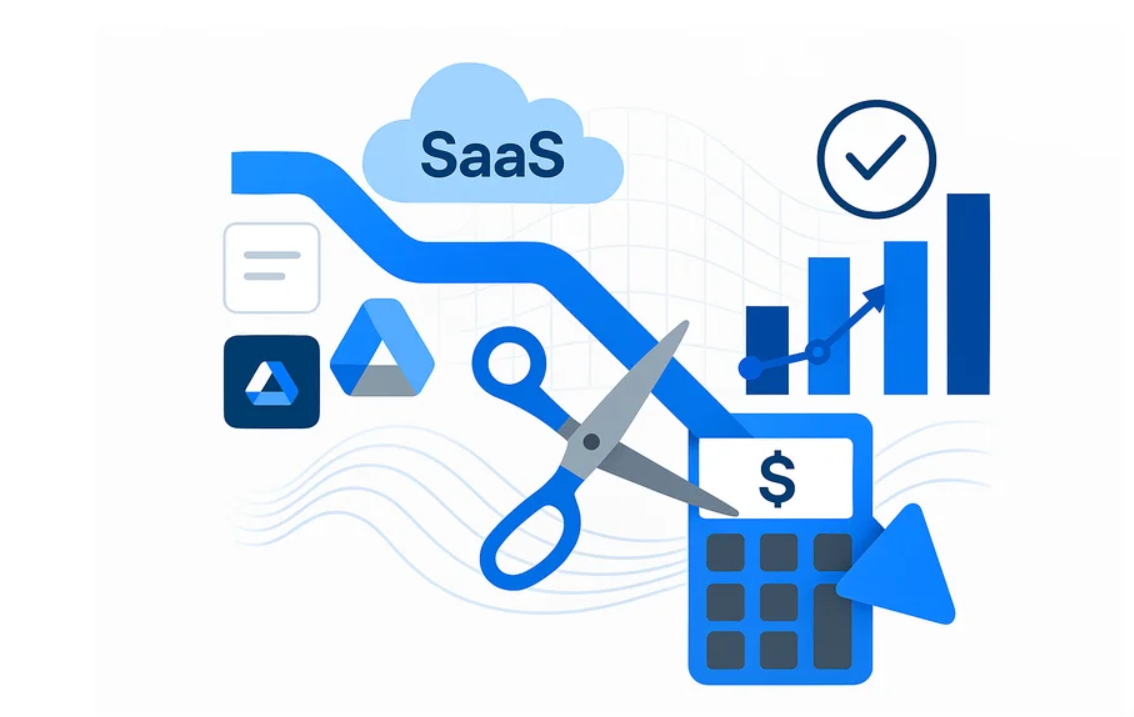
Running a small business in the United States comes with many financial responsibilities, and one of the most significant is taxation. Business owners often feel overwhelmed when tax season arrives, especially when profits seem to shrink after taxes are paid. However, the good news is that there are completely legal strategies that can help reduce your tax burden without violating any IRS rules.
Understanding how to reduce business taxes legally is not about avoiding taxes—it’s about optimizing your financial structure, using available deductions, and leveraging tax credits designed to support small businesses. In fact, the U.S. tax code is filled with incentives specifically created to encourage entrepreneurship, investment, and job creation.
In this comprehensive guide, we will break down practical, legal, and IRS-approved methods that small business owners can use to minimize taxes and improve profitability.
Understanding Business Taxes in the USA
Before exploring strategies, it is important to understand how business taxes work in the United States.
Small businesses typically fall into one of the following tax structures:
- Sole Proprietorship
- Partnership
- Limited Liability Company (LLC)
- S Corporation
- C Corporation
Each structure has different tax obligations. For example:
- LLCs and S-Corps often benefit from pass-through taxation.
- C-Corps face double taxation (corporate and dividend taxes).
Understanding your business structure is essential because it determines which tax-saving strategies apply to you.
1. Maximize Business Expense Deductions
One of the most effective ways to learn how to reduce business taxes legally is by maximizing deductions.
A tax deduction reduces your taxable income, which lowers the total tax you owe.
Common deductible expenses include:
- Office rent or home office expenses
- Utilities (electricity, internet, phone)
- Business supplies and equipment
- Marketing and advertising costs
- Employee salaries and contractor payments
- Travel expenses related to business
- Software subscriptions and tools
Home Office Deduction
If you use part of your home exclusively for business, you may qualify for a home office deduction. This includes:
- A portion of rent or mortgage
- Utilities
- Maintenance costs
The IRS offers simplified and regular calculation methods depending on your situation.
2. Use the Qualified Business Income (QBI) Deduction
The Qualified Business Income deduction allows eligible small business owners to deduct up to 20% of qualified income.
This applies to:
- Sole proprietors
- LLCs
- S corporations
- Partnerships
However, income limits and business type restrictions apply.
Taking advantage of QBI is one of the most powerful strategies for reducing taxable income legally.
3. Choose the Right Business Structure
Your business structure significantly affects your tax liability.
LLC
Flexible taxation, often treated as pass-through.
S Corporation
Helps reduce self-employment tax by splitting income into salary and distributions.
C Corporation
Useful for reinvesting profits but subject to corporate tax.
Why Structure Matters
Choosing the wrong structure can lead to unnecessary taxes. Many small businesses save thousands annually simply by switching from sole proprietorship to S-Corp status.
4. Deduct Vehicle and Travel Expenses
If you use a vehicle for business purposes, you may deduct:
- Mileage (standard IRS rate)
- Fuel and maintenance
- Insurance
- Lease payments
You can choose between:
- Standard mileage rate method
- Actual expense method
Travel expenses like flights, hotels, and meals are also deductible if they are business-related.
5. Hire Family Members
Hiring family members can be a strategic tax-saving method when done correctly.
For example:
- Payments to your children may be tax-deductible
- Income may be taxed at a lower rate
- You may reduce overall household tax liability
However, wages must be reasonable and properly documented.
6. Contribute to Retirement Plans
Retirement contributions are one of the most underused tax-saving tools.
Options include:
- SEP IRA
- SIMPLE IRA
- Solo 401(k)
Benefits:
- Reduce taxable income
- Build retirement savings
- Defer taxes until withdrawal
For small business owners, a Solo 401(k) can allow very high contribution limits.
7. Take Advantage of Tax Credits
Unlike deductions, tax credits directly reduce the amount of tax you owe.
Common small business tax credits:
- Research and Development (R&D) credit
- Work Opportunity Tax Credit (WOTC)
- Energy efficiency credits
- Small business health care credit
Credits are extremely valuable because they reduce tax liability dollar-for-dollar.
8. Defer Income Strategically
Income deferral is a legal method to shift taxable income into future years.
Ways to do this:
- Delay invoicing until next tax year
- Prepay expenses
- Use installment billing
This strategy is especially useful if you expect lower tax rates in the future.

9. Accelerate Expenses
While deferring income helps, accelerating expenses reduces current taxable income.
Examples:
- Buying equipment before year-end
- Prepaying rent or subscriptions
- Investing in marketing campaigns early
This balances your financial statements and reduces tax burden.
10. Use Depreciation Benefits
Depreciation allows businesses to deduct the cost of assets over time.
Key methods:
- Straight-line depreciation
- Section 179 deduction
- Bonus depreciation
Section 179 is especially powerful because it allows immediate expensing of qualifying assets such as:
- Computers
- Machinery
- Office furniture
- Vehicles used for business
11. Track Every Expense Accurately
Poor record-keeping leads to missed deductions and higher taxes.
Best practices:
- Use accounting software
- Keep receipts digitally
- Separate personal and business accounts
- Reconcile monthly
Accurate records are essential when implementing strategies for how to reduce business taxes legally.
12. Deduct Health Insurance Premiums
If you are self-employed, you may be able to deduct health insurance premiums for:
- Yourself
- Your spouse
- Dependents
This deduction directly reduces taxable income.
13. Outsource or Hire Contractors Strategically
Hiring independent contractors instead of employees can reduce:
- Payroll taxes
- Benefits costs
- Administrative burden
However, proper classification is crucial to avoid IRS penalties.
14. Leverage Startup Costs Deduction
New businesses can deduct up to $5,000–$50,000 in startup expenses, including:
- Legal fees
- Marketing
- Research
- Business setup costs
This helps reduce early-stage tax pressure.
15. Invest in Tax Planning Software or Professionals
While software helps, hiring a tax professional can often uncover hidden savings.
Benefits include:
- Strategic tax planning
- Compliance assurance
- Audit protection
- Maximized deductions
A professional can often save more in taxes than their fee costs.
16. Utilize Energy and Green Tax Incentives
The U.S. government offers incentives for eco-friendly businesses.
Examples:
- Solar panel credits
- Energy-efficient equipment deductions
- Electric vehicle credits
These not only reduce taxes but also lower operational costs.
17. Avoid Common Tax Mistakes
Many businesses overpay taxes due to avoidable errors:
- Not tracking deductions
- Mixing personal and business expenses
- Missing deadlines
- Improper classification of workers
Avoiding these mistakes is just as important as applying tax-saving strategies.
18. Reinvest Profits Strategically
Reinvesting profits into business growth can reduce taxable income while improving long-term revenue.
Examples:
- Expanding marketing
- Hiring staff
- Upgrading equipment
19. Use Accounting Methods to Your Advantage
There are two main accounting methods:
- Cash basis
- Accrual basis
Choosing the right method can affect when income and expenses are recognized, influencing tax liability.
20. Stay Updated with IRS Regulations
Tax laws frequently change. Staying updated ensures you:
- Do not miss new deductions
- Avoid penalties
- Take advantage of new credits
Conclusion
Learning how to reduce business taxes legally is essential for every small business owner in the United States. It is not about avoiding obligations but about using the tax system intelligently and strategically.
By applying methods such as maximizing deductions, choosing the right business structure, leveraging tax credits, and planning expenses effectively, you can significantly reduce your tax burden while staying fully compliant with IRS regulations.
The key is consistency, proper documentation, and smart financial planning. With the right approach, tax season can become less stressful and more of an opportunity to optimize your business finances.