BUSINESS B2B
benefits of business bank account, best business bank account, best small business bank account, business bank account, business bank account for small business, business bank account online, business bank account setup, free business bank account, free business bank accounts, how to business bank account, how to open a business bank account, online business bank account, open a business bank account, small business bank account, us business bank account
admin
0 Comments
Step-by-Step Business Bank Account Requirements USA for Small Business Owners
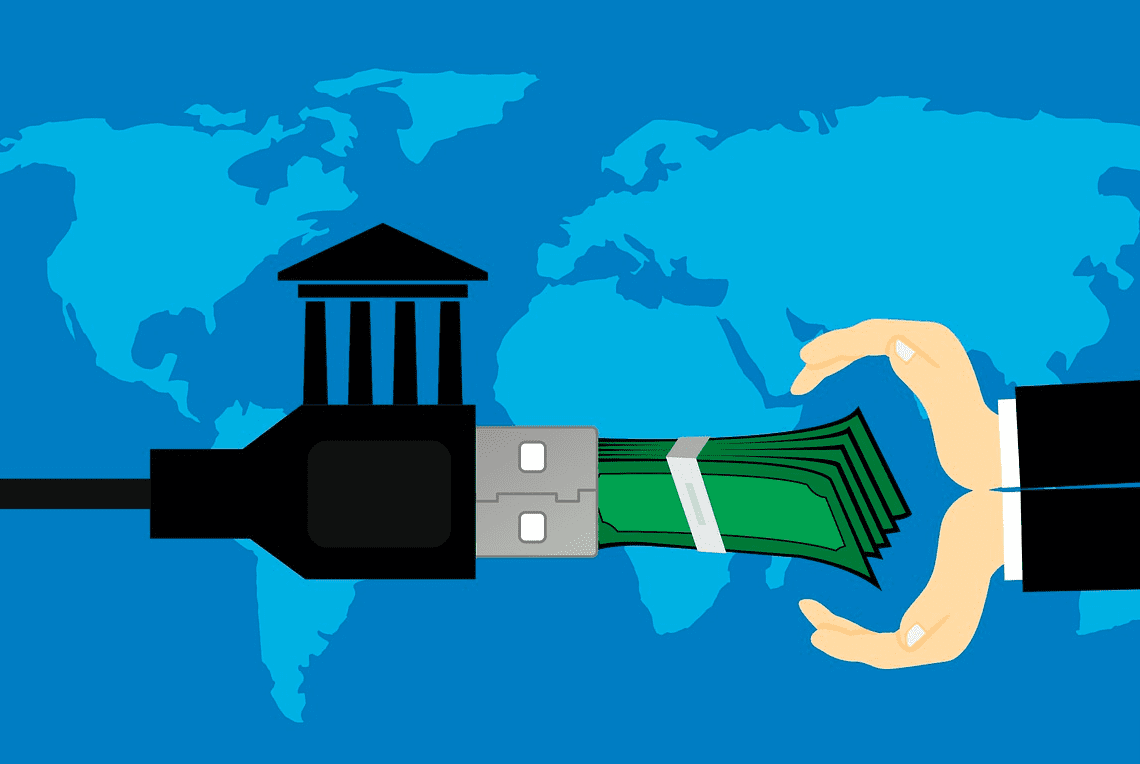
Opening a business bank account in the United States is one of the most important financial steps for any entrepreneur or small business owner. Whether you are running a startup, LLC, sole proprietorship, or growing small business, separating personal and business finances is essential for legal protection, tax compliance, and professional credibility.
However, many entrepreneurs struggle to understand the business bank account requirements USA, which can vary depending on the bank, business structure, and state regulations. This comprehensive guide will walk you through everything you need to know in a simple, step-by-step way so you can open your business bank account without confusion or delays.
Why You Need a Business Bank Account in the USA
Before diving into the requirements, it is important to understand why a business bank account is not just optional—but necessary.
1. Legal and Financial Separation
Mixing personal and business funds can create serious legal issues, especially for LLCs and corporations. A business bank account helps maintain a clear separation, protecting your personal assets.
2. Professional Credibility
Clients and partners trust businesses more when payments are made through a business account rather than a personal account.
3. Easier Tax Filing
Having a dedicated account simplifies bookkeeping, expense tracking, and tax preparation.
4. Access to Business Credit
Banks often require a business account history before approving loans or credit lines.
Understanding Business Bank Account Requirements USA
The business bank account requirements USA vary depending on your business structure and bank policies, but most financial institutions require similar core documents and information.
Let’s break them down step-by-step.
Step 1: Choose Your Business Structure
Your business structure determines what documents you need.
Common Business Structures:
- Sole Proprietorship
- Limited Liability Company (LLC)
- Corporation (C-Corp or S-Corp)
- Partnership
Each structure has different documentation requirements.
Example:
- Sole Proprietor → Easier setup, fewer documents
- LLC or Corporation → Requires registration documents and EIN
Step 2: Obtain an EIN (Employer Identification Number)
One of the most important business bank account requirements USA is the EIN.
What is an EIN?
An Employer Identification Number is issued by the IRS and acts like a Social Security Number for your business.
Why You Need It:
- Required for LLCs and corporations
- Used for tax reporting
- Required by most banks
How to Get It:
You can apply for an EIN directly through the IRS website for free.
👉 Processing time: Instant or within a few business days
Step 3: Register Your Business Name (DBA if needed)
If your business operates under a different name than your legal name, you may need a DBA (“Doing Business As”).
Example:
- Legal Name: John Smith
- Business Name: Smith Digital Marketing
A DBA is often required when opening a business bank account under a trade name.
Step 4: Prepare Business Formation Documents
This is one of the most critical business bank account requirements USA, especially for LLCs and corporations.
Required Documents:
- Articles of Organization (for LLC)
- Articles of Incorporation (for Corporations)
- Partnership Agreement (for partnerships)
- Operating Agreement (sometimes required for LLCs)
Banks use these documents to verify your business legitimacy.
Step 5: Provide Ownership Information
Banks must verify who owns and controls the business.
You may need to provide:
- Full legal names of owners
- Ownership percentage
- Identification documents (passport, driver’s license)
- Residential addresses
For corporations, banks may also require a list of directors and officers.
Step 6: Business License or Permit
Depending on your industry, you may need a business license to open a bank account.
Common industries requiring licenses:
- Food businesses
- Construction
- Healthcare services
- Retail businesses
Not all businesses require a license, but many banks still ask for it as part of the verification process.
Step 7: Initial Deposit Requirement
Most banks require an initial deposit to activate your account.
Typical range:
- $25 to $500 depending on the bank
Some online business banks may offer zero-deposit accounts.
Step 8: Choose the Right Type of Business Bank Account
Understanding account types is also part of the business bank account requirements USA process.
Common account types:
1. Business Checking Account
Used for daily transactions like payments and expenses.
2. Business Savings Account
Used to store money and earn interest.
3. Merchant Account
Used for credit card payments.
4. Online Business Account
Offered by digital banks for startups and freelancers.
Step 9: Prepare Identification Documents
Every owner or authorized signer must provide valid ID.
Accepted IDs:
- U.S. Driver’s License
- Passport
- State ID card
Banks use this for identity verification and fraud prevention.
Step 10: Provide Business Address and Contact Information
You must provide:
- Physical business address (not just PO Box in most cases)
- Phone number
- Email address
Some online banks may allow virtual addresses depending on regulations.
Step 11: Apply In-Person or Online
Depending on the bank, you can open your account:
In-Person Banks:
- Traditional banks require branch visits
- Faster verification for complex businesses
Online Banks:
- Fully digital application
- Faster approval
- Ideal for freelancers and startups
Step 12: Review Compliance and Banking Agreements
Banks in the USA follow strict regulations.
You may need to agree to:
- Anti-money laundering (AML) policies
- Know Your Customer (KYC) requirements
- Business usage terms
Make sure you read everything before signing.
Common Challenges When Opening a Business Bank Account
Even if you meet all business bank account requirements USA, you may still face challenges.
1. Incomplete Documentation
Missing EIN or formation papers is the most common issue.
2. New Business Without History
Some banks hesitate to approve brand-new businesses.
3. Credit Issues
Owners with poor credit may face restrictions at traditional banks.
4. Industry Restrictions
High-risk industries may need additional verification.
Tips to Get Approved Faster
Here are practical tips to speed up your approval:
1. Prepare All Documents in Advance
Do not apply until everything is ready.
2. Use a Consistent Business Name
Ensure your EIN, DBA, and bank application match exactly.
3. Choose the Right Bank
Some banks specialize in startups and small businesses.
4. Maintain Clean Financial Records
Even early-stage businesses should track income and expenses properly.
Best Banks for Small Business Accounts in the USA
While requirements are similar, some banks are more startup-friendly.
Popular Options:
- Chase Business Banking
- Bank of America Business Accounts
- Wells Fargo Business Accounts
- Online banks like Mercury and Novo
Each offers different features depending on your business needs.
Frequently Asked Questions (FAQ)
1. Do I need an EIN to open a business bank account?
Yes, most LLCs and corporations require an EIN.
2. Can a sole proprietor open a business bank account?
Yes, but requirements may include a DBA and personal identification.
3. How long does it take to open a business bank account?
Anywhere from same-day approval to 7 business days depending on the bank.
4. Can I open a business bank account online?
Yes, many online banks allow fully digital applications.
Final Thoughts
Understanding the business bank account requirements USA is essential for any small business owner who wants to operate legally, efficiently, and professionally. While the process may seem complex at first, breaking it down step-by-step makes it much easier.
By preparing your EIN, business documents, identification, and choosing the right bank, you can open your account smoothly and start managing your business finances with confidence.
A dedicated business bank account is not just a formality—it is a foundation for financial growth, credibility, and long-term success in the competitive U.S. business landscape.