SAAS
accounting automation, AI accounting tools, ai automation business, ai automation business model, ai business tools, AI data analysis tools, AI financial reporting, ai for business, ai for business growth, ai for small business, ai sales automation tools, AI software for companies, ai stack for business, ai tools for business, ai tools for business 2024, ai tools for business automation, ai tools for content creation, ai tools for marketing, ai tools for marketing and sales, best ai tools for business, best ai tools for marketing, business ai automation, business automation, business automation ai, business automation software, business automation with ai, business intelligence AI, financial automation software, predictive analytics tools, small business ai tools
admin
0 Comments
Powerful AI Tools for Business Automation for Accounting, Data Analysis, and Financial Reporting
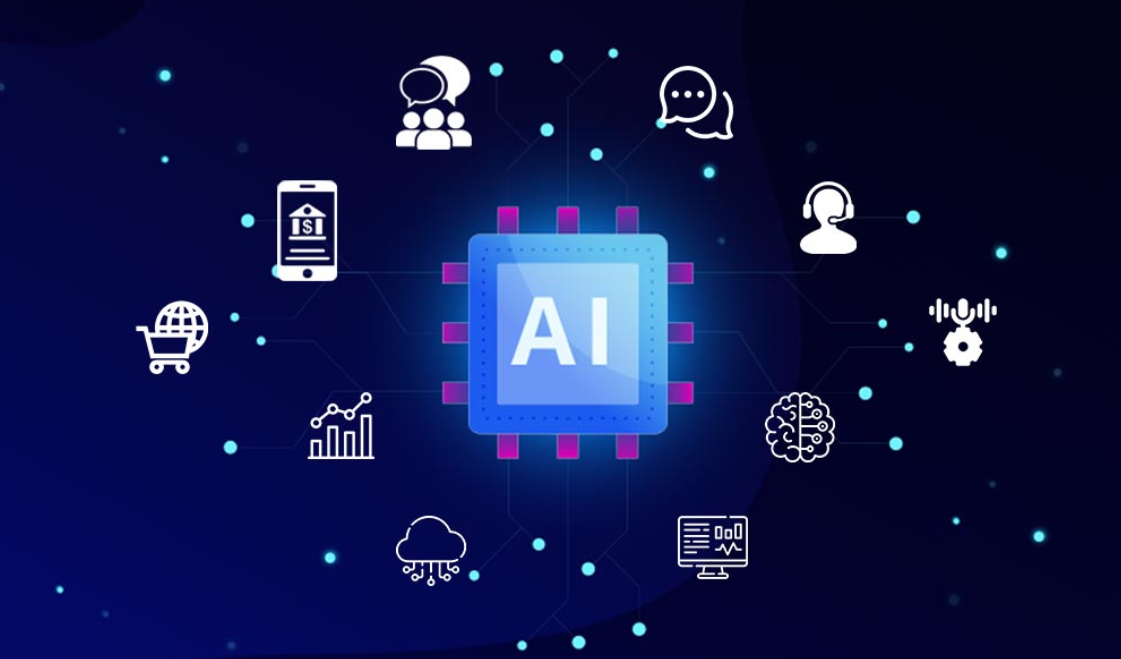
In today’s digital economy, companies are searching for smarter ways to reduce operational costs, improve productivity, and make better financial decisions. One of the biggest transformations in modern business operations comes from the rapid adoption of AI tools for business automation. From automating accounting tasks to simplifying financial reporting and enhancing data analysis, artificial intelligence is helping businesses operate faster and more efficiently than ever before.
Organizations of all sizes now rely on AI-powered software to eliminate repetitive manual work, reduce human error, and generate real-time business insights. Whether it is a startup managing invoices or a large enterprise analyzing financial trends, artificial intelligence is becoming an essential part of business success.
This article explores the most powerful applications, benefits, features, and future trends of AI tools for business automation specifically for accounting, data analysis, and financial reporting.
What Are AI Tools for Business Automation?
AI tools for business automation are software platforms powered by artificial intelligence technologies such as machine learning, natural language processing, predictive analytics, and robotic process automation (RPA). These tools are designed to automate repetitive tasks, improve decision-making, and optimize business workflows.
Instead of relying entirely on human labor for data entry, bookkeeping, spreadsheet analysis, or financial forecasting, AI systems can perform these tasks automatically with higher speed and accuracy.
Businesses use AI automation tools for:
- Invoice processing
- Expense management
- Payroll automation
- Financial forecasting
- Fraud detection
- Data visualization
- Predictive analytics
- Report generation
- Customer service automation
- Inventory tracking
As AI technology becomes more affordable, even small businesses can now access advanced automation systems previously available only to large corporations.
Why Businesses Need AI Automation Today
Modern businesses generate enormous amounts of data every day. Managing this information manually is inefficient and time-consuming. Human errors in accounting or reporting can also lead to serious financial losses.
This is where AI tools for business automation provide major advantages.
1. Increased Operational Efficiency
AI systems can complete tasks in seconds that might take employees several hours. Automated workflows allow companies to focus more on growth strategies instead of repetitive administrative work.
2. Reduced Human Error
Manual accounting and spreadsheet analysis often result in mistakes. AI-powered systems improve accuracy by automatically validating calculations and identifying inconsistencies.
3. Faster Financial Reporting
Businesses need real-time financial data to make informed decisions. AI software can generate instant reports, dashboards, and analytics without waiting for manual processing.
4. Better Business Insights
Artificial intelligence can analyze patterns and trends from large datasets. Companies can use these insights to predict future sales, manage cash flow, and reduce risks.
5. Cost Savings
Automation reduces labor costs and improves productivity. Businesses can operate with leaner teams while maintaining high efficiency levels.
How AI Is Transforming Accounting
Accounting is one of the industries most affected by AI innovation. Traditional accounting processes involve repetitive tasks such as data entry, invoice matching, and reconciliation. AI automation simplifies these operations dramatically.
Automated Bookkeeping
AI-powered bookkeeping systems automatically categorize expenses, match transactions, and organize financial records.
Benefits include:
- Faster transaction processing
- Reduced accounting errors
- Simplified tax preparation
- Improved financial transparency
Businesses no longer need to spend countless hours organizing receipts and invoices manually.
Invoice Automation
AI tools can extract invoice information automatically using optical character recognition (OCR).
The system can:
- Read invoice data
- Validate payment details
- Match invoices with purchase orders
- Schedule payments automatically
This reduces delays and improves vendor relationships.
Payroll Processing
Payroll management becomes easier with AI automation.
AI systems can:
- Calculate salaries
- Deduct taxes automatically
- Monitor attendance
- Generate payroll reports
- Reduce compliance risks
This minimizes administrative burden for HR and finance departments.
Fraud Detection
AI algorithms can identify unusual transactions and suspicious financial behavior instantly.
For example, the software may detect:
- Duplicate payments
- Unauthorized expenses
- Abnormal spending patterns
- Suspicious account activity
This helps businesses improve financial security.
AI-Powered Data Analysis for Modern Businesses
Data analysis is another major area transformed by artificial intelligence. Companies collect large amounts of customer, sales, and operational data every day.
Without automation, analyzing this data manually would be nearly impossible.
Predictive Analytics
AI tools analyze historical data to predict future outcomes.
Businesses use predictive analytics for:
- Revenue forecasting
- Customer behavior prediction
- Inventory management
- Market trend analysis
- Demand forecasting
These predictions help companies make smarter strategic decisions.
Real-Time Dashboards
AI-powered dashboards provide live business insights.
Executives can monitor:
- Revenue growth
- Cash flow
- Profit margins
- Sales performance
- Operational efficiency
Real-time access to data allows businesses to respond quickly to market changes.
Automated Data Visualization
Understanding raw data can be difficult. AI tools automatically transform complex datasets into visual charts and graphs.
Benefits include:
- Easier interpretation
- Faster reporting
- Better communication between departments
- Improved executive decision-making
Customer Analytics
AI systems help businesses understand customer preferences and buying behaviors.
Companies can analyze:
- Purchasing patterns
- Customer retention
- Product performance
- Marketing campaign effectiveness
This improves targeting and increases profitability.
Financial Reporting With AI Automation
Financial reporting is critical for every organization. Accurate reports help stakeholders evaluate company performance and maintain regulatory compliance.
AI automation improves financial reporting in several ways.
Automated Report Generation
AI software can generate:
- Income statements
- Balance sheets
- Cash flow reports
- Tax summaries
- Financial forecasts
Reports are produced automatically using real-time financial data.
Regulatory Compliance
Businesses must comply with financial regulations and tax requirements.
AI systems help companies:
- Track compliance changes
- Maintain accurate records
- Prepare audit-ready documents
- Reduce legal risks
Automation reduces the chances of non-compliance penalties.
Faster Closing Processes
Month-end and year-end closing processes are often stressful and time-consuming.
AI tools speed up:
- Account reconciliation
- Expense validation
- Journal entry processing
- Financial consolidation
Finance teams can complete reporting tasks more efficiently.
Intelligent Forecasting
AI-powered financial forecasting helps businesses predict future performance.
Companies can estimate:
- Revenue growth
- Budget requirements
- Cash flow stability
- Investment opportunities
This improves long-term business planning.
Key Features of AI Tools for Business Automation
When choosing automation software, businesses should look for several important features.
Machine Learning Capabilities
The best AI systems continuously learn from data and improve over time.
Machine learning enables software to:
- Recognize patterns
- Improve predictions
- Adapt to changing business conditions
Cloud Integration
Cloud-based systems allow remote access and real-time collaboration.
Benefits include:
- Secure data storage
- Easy scalability
- Lower infrastructure costs
- Improved accessibility
Workflow Automation
Good automation software should streamline repetitive tasks automatically.
Examples include:
- Invoice approvals
- Expense tracking
- Report scheduling
- Email notifications
Data Security
Financial data is highly sensitive.
Businesses should prioritize AI platforms with:
- Data encryption
- Multi-factor authentication
- Access control
- Compliance certifications
Integration With Existing Software
AI tools should integrate easily with:
- ERP systems
- CRM platforms
- Accounting software
- Payment gateways
Smooth integration improves workflow efficiency.
Industries Benefiting From AI Business Automation
Many industries now rely heavily on AI-powered automation tools.
Banking and Finance
Banks use AI for:
- Fraud prevention
- Credit scoring
- Risk analysis
- Automated customer service
Retail and E-Commerce
Retail businesses automate:
- Inventory management
- Customer analytics
- Personalized recommendations
- Sales forecasting
Healthcare
Healthcare organizations use AI for:
- Medical billing
- Patient data analysis
- Appointment scheduling
- Financial reporting
Manufacturing
Manufacturers automate:
- Supply chain monitoring
- Production forecasting
- Quality control
- Equipment maintenance
Professional Services
Accounting firms and consultants use AI for:
- Bookkeeping
- Tax preparation
- Financial analysis
- Client reporting
Benefits of AI Tools for Small Businesses
Small businesses often assume AI technology is expensive or complicated. However, modern cloud-based platforms make automation accessible even for startups.
Affordable Subscription Models
Many AI tools now offer:
- Monthly pricing
- Scalable plans
- Free trial options
- Pay-as-you-grow solutions
This reduces upfront investment costs.
Reduced Administrative Work
Small business owners can automate:
- Invoicing
- Expense tracking
- Payroll
- Reporting
This frees up more time for growth activities.
Improved Decision-Making
AI-generated analytics help entrepreneurs make smarter business decisions based on real data instead of assumptions.
Better Cash Flow Management
AI forecasting tools help businesses monitor expenses and predict future cash flow problems before they occur.
Challenges of Implementing AI Automation
Although AI offers major benefits, businesses may still face several challenges during implementation.
Initial Learning Curve
Employees may need training to understand new automation systems.
Businesses should provide:
- Staff workshops
- Online tutorials
- Ongoing technical support
Data Quality Issues
AI systems depend heavily on accurate data.
Poor-quality data can lead to:
- Incorrect forecasts
- Reporting errors
- Inefficient automation
Integration Complexity
Some older systems may not integrate smoothly with modern AI platforms.
Businesses may need custom development or API integration support.
Security Concerns
Companies handling financial data must prioritize cybersecurity and compliance when using cloud-based AI systems.
Future Trends in AI Business Automation
Artificial intelligence technology continues evolving rapidly. Several important trends are shaping the future of automation.
Hyperautomation
Businesses are moving toward hyperautomation, where multiple AI systems work together to automate entire workflows.
This includes:
- Robotic process automation
- Machine learning
- Intelligent analytics
- Workflow orchestration
AI-Powered Virtual Assistants
Virtual AI assistants are becoming more advanced.
Future assistants may handle:
- Financial planning
- Report generation
- Meeting scheduling
- Business recommendations
Predictive Financial Intelligence
AI forecasting systems will become even more accurate using deeper market analysis and economic indicators.
Voice-Controlled Analytics
Executives may soon access business reports using voice commands instead of traditional dashboards.
Autonomous Accounting
Future accounting systems may operate with minimal human supervision, automatically managing taxes, expenses, audits, and reporting.
Best Practices for Choosing AI Automation Tools
Selecting the right automation platform is important for long-term success.
Identify Business Needs
Companies should first determine:
- Which processes need automation
- Current operational challenges
- Budget limitations
- Growth goals
Prioritize User-Friendly Software
Complex software may reduce employee adoption.
Choose platforms with:
- Simple dashboards
- Easy navigation
- Good customer support
Evaluate Scalability
The software should grow alongside the business.
Scalable AI platforms can support:
- Additional users
- Larger datasets
- Expanding workflows
Compare Security Features
Always review:
- Data protection policies
- Compliance certifications
- Backup systems
- Privacy standards
Request Free Trials
Testing the software before purchasing helps businesses evaluate real-world performance and usability.
How AI Improves Financial Decision-Making
One of the biggest advantages of AI tools for business automation is better financial intelligence.
AI systems help decision-makers:
- Analyze revenue trends
- Monitor expenses
- Forecast profits
- Evaluate investment risks
- Improve budgeting strategies
Instead of relying on outdated reports, executives can access real-time insights instantly.
This leads to:
- Faster decisions
- Lower financial risks
- Higher profitability
- Improved operational planning
AI Automation and Competitive Advantage
Businesses adopting AI automation gain major competitive advantages over companies still relying on manual systems.
Advantages include:
- Faster customer response times
- Improved operational speed
- Better financial accuracy
- Higher employee productivity
- Enhanced scalability
As competition increases across industries, automation becomes essential for sustainable growth.
Companies that ignore AI transformation risk falling behind more innovative competitors.
The Role of Human Employees in an AI-Driven Business
AI automation does not completely replace human workers. Instead, it changes the nature of work.
Employees can focus more on:
- Strategic planning
- Creative problem-solving
- Customer relationships
- Innovation
- Business development
AI handles repetitive tasks while humans provide critical thinking and leadership.
This combination creates more productive and efficient organizations.
Conclusion
Artificial intelligence is revolutionizing the modern business environment. From accounting automation to financial reporting and advanced data analysis, businesses now have access to powerful technologies that improve efficiency, accuracy, and profitability.
The demand for AI tools for business automation continues growing because companies want faster workflows, lower operational costs, and smarter business insights. AI-powered platforms help organizations automate repetitive tasks, analyze large datasets, detect fraud, improve forecasting, and generate accurate financial reports in real time.
Whether you run a startup, small business, or enterprise-level organization, adopting AI automation can provide a significant competitive advantage. Businesses that embrace artificial intelligence today will be better prepared for future market changes, evolving customer expectations, and increasing digital competition.
As AI technology continues advancing, automation will become even more intelligent, accessible, and essential for long-term business success. Companies investing in AI-driven solutions now are positioning themselves for higher efficiency, stronger financial performance, and sustainable growth in the years ahead.