SAAS
best erp software, best erp software in india, cloud based erp software, cloud based erp vs on premise, cloud erp software, cloud erp solution, cloud erp solutions, different types of erp software, erp companies in hyderabad, erp companies in india, erp in the cloud, erp pricing, erp software, erp software development company, erp software saudi arabia, erp software selection, manufacturing erp software, on premise vs cloud erp, top erp companies in india, top erp software, top erp systems for large companies
admin
0 Comments
Cloud ERP Software Companies and Pricing
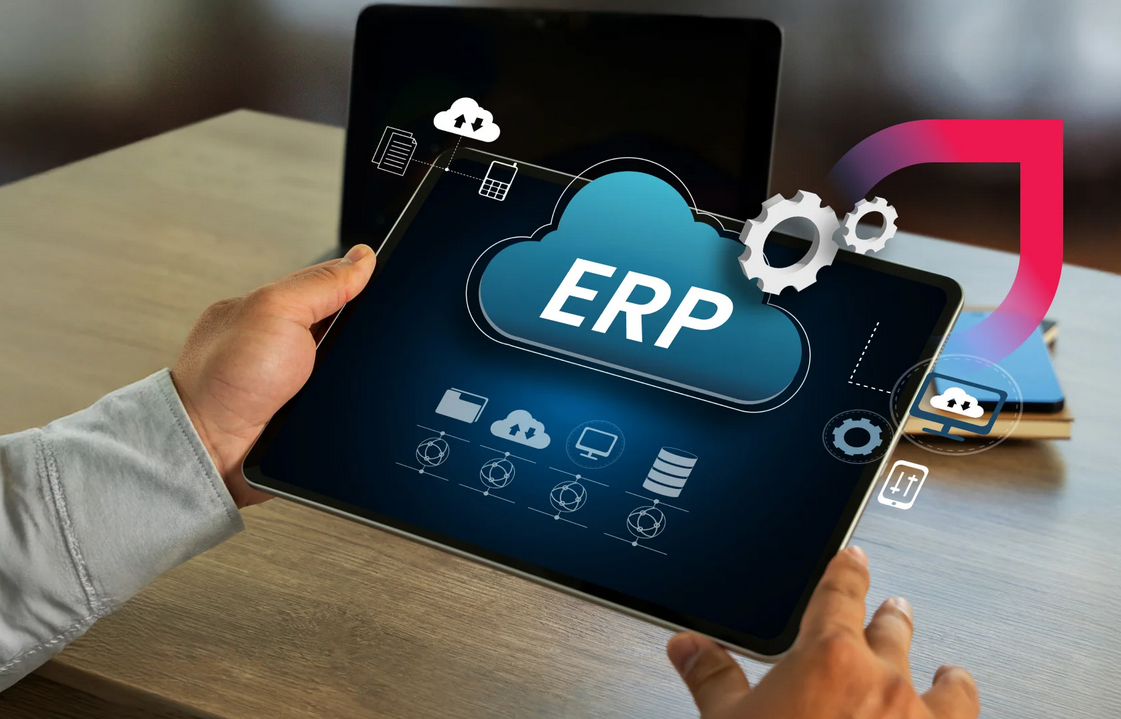
In today’s highly competitive digital economy, businesses are rapidly moving toward automation, data integration, and cloud-based management systems. One of the fastest-growing sectors in enterprise technology is cloud ERP software. Companies across manufacturing, retail, healthcare, logistics, finance, and ecommerce industries are investing heavily in enterprise resource planning platforms that streamline operations and improve productivity.
The demand for “Cloud ERP Software Companies and Pricing” has increased significantly because businesses want scalable, affordable, and secure solutions without the high infrastructure costs of traditional on-premise systems. Cloud ERP systems help organizations manage accounting, inventory, payroll, human resources, customer relationships, analytics, procurement, and project management in one centralized platform.
This comprehensive guide explains everything you need to know about cloud ERP providers, pricing models, features, implementation costs, benefits, and how to choose the best ERP software for your business.
What Is Cloud ERP Software?
Cloud ERP software is a web-based enterprise resource planning solution hosted on remote servers instead of local company hardware. Users can access the system through the internet from anywhere in the world.
Unlike traditional ERP systems that require expensive servers and maintenance, cloud ERP platforms offer subscription-based pricing and automatic updates.
Core functions usually include:
- Financial management
- Supply chain management
- Inventory tracking
- Human resources
- Payroll processing
- Procurement
- CRM integration
- Analytics and reporting
- Ecommerce management
- Manufacturing operations
Businesses choose cloud ERP systems because they reduce IT costs while improving scalability and efficiency.
Why Businesses Prefer Cloud ERP Solutions
Modern companies are shifting to cloud ERP for several important reasons.
1. Lower Upfront Costs
Traditional ERP installations often require large investments in infrastructure, servers, and internal IT teams. Cloud ERP systems operate on subscription pricing, making them more affordable for startups and medium-sized businesses.
2. Remote Accessibility
Employees can securely access the ERP dashboard from laptops, tablets, or smartphones. This flexibility supports remote work and international business operations.
3. Automatic Software Updates
Cloud ERP vendors handle updates automatically, ensuring businesses always use the latest version without additional costs.
4. Improved Data Security
Top ERP providers use advanced encryption, backup systems, and cybersecurity protection to safeguard company data.
5. Scalability
As businesses grow, cloud ERP platforms can easily expand with additional users, modules, and storage capacity.
How Cloud ERP Pricing Works
Understanding cloud ERP pricing is essential before selecting a provider. Pricing structures vary depending on features, users, implementation complexity, and industry requirements.
Subscription-Based Pricing
Most cloud ERP companies charge monthly or annual subscription fees.
Pricing usually depends on:
- Number of users
- Features included
- Storage requirements
- Advanced analytics
- AI automation tools
- Industry-specific modules
Typical pricing ranges:
| Business Size | Monthly Cost |
|---|---|
| Small Business | $50 – $500 |
| Medium Business | $500 – $5,000 |
| Enterprise | $10,000+ |
Types of Cloud ERP Pricing Models
Per User Pricing
Companies pay for each employee using the system.
Example:
- $99 per user/month
- 50 employees = $4,950/month
This model works well for growing businesses.
Tiered Pricing
Vendors offer packages such as:
- Basic
- Professional
- Enterprise
Higher tiers include advanced features like AI forecasting, automation, and custom reporting.
Module-Based Pricing
Businesses only pay for specific modules they need.
Examples:
- Accounting module
- Inventory module
- HR module
- CRM module
This reduces unnecessary software costs.
Custom Enterprise Pricing
Large organizations often negotiate custom contracts based on their infrastructure and integration requirements.
Best Cloud ERP Software Companies and Pricing
Below are some of the top cloud ERP providers in the global market.
1. Oracle Cloud ERP
Oracle is one of the world’s largest enterprise software companies. Its cloud ERP platform is widely used by multinational corporations.
Features
- Financial management
- AI-driven analytics
- Procurement automation
- Risk management
- Supply chain optimization
- Project management
Pricing
Oracle typically provides custom enterprise pricing. Costs can range from:
- $625 to $7,500+ per month
- Enterprise deployments may exceed six figures annually
Best For
- Large enterprises
- Global corporations
- Manufacturing companies
2. SAP S/4HANA Cloud
SAP is a leading ERP provider trusted by enterprise organizations worldwide.
Features
- Real-time analytics
- Intelligent automation
- Financial planning
- Supply chain visibility
- AI-powered forecasting
Pricing
SAP pricing depends on deployment size and modules selected.
Estimated pricing:
- Small implementation: $1,500+/month
- Enterprise deployments: $100,000+ annually
Advantages
- Highly scalable
- Excellent for manufacturing
- Advanced reporting tools
3. Microsoft Dynamics 365
Microsoft Dynamics 365 combines ERP and CRM capabilities into one ecosystem.
Features
- Finance automation
- AI-powered business insights
- Inventory management
- Customer relationship management
- Integration with Microsoft 365
Pricing
Typical pricing:
- $70 to $210 per user/month
Additional modules may increase costs.
Best For
- Medium businesses
- Microsoft ecosystem users
- Service-based companies
4. NetSuite ERP
NetSuite, owned by Oracle, is one of the most popular cloud ERP platforms for mid-sized businesses.
Features
- Financial management
- Inventory tracking
- Ecommerce integration
- Order management
- Business intelligence dashboards
Pricing
Estimated costs:
- Base license: around $999/month
- Per user fee: around $99/month
Implementation costs can vary significantly.
Benefits
- Fast deployment
- Strong ecommerce features
- Scalable infrastructure
5. Infor CloudSuite
Infor specializes in industry-specific ERP solutions.
Features
- Manufacturing ERP
- Healthcare ERP
- Distribution management
- AI analytics
- Workflow automation
Pricing
Pricing is customized based on industry and deployment size.
Estimated range:
- $150 – $3,000+ monthly
Best Industries
- Manufacturing
- Healthcare
- Logistics
6. Acumatica Cloud ERP
Acumatica is known for flexible pricing and user-friendly cloud ERP tools.
Features
- Open API integrations
- Financial management
- Construction ERP
- Retail management
- Mobile accessibility
Pricing
Acumatica uses resource-based pricing rather than per-user fees.
Typical cost:
- $1,000 – $10,000 annually depending on usage
Benefits
- Unlimited users
- Modern interface
- Affordable scaling
7. Sage Intacct
Sage Intacct focuses on financial management and accounting automation.
Features
- Advanced accounting
- Budget forecasting
- Cash flow management
- Revenue recognition
- Financial dashboards
Pricing
Estimated pricing:
- Starting around $400/month
- Larger organizations pay significantly more
Ideal For
- Accounting firms
- Financial teams
- Service businesses
8. Epicor ERP
Epicor is highly popular among manufacturers and distributors.
Features
- Production management
- Warehouse tracking
- Supply chain optimization
- Business analytics
- CRM tools
Pricing
Pricing depends on customization and deployment size.
Typical costs:
- $175 – $500 per user/month
Key Features to Look for in Cloud ERP Software
Choosing the right ERP solution requires careful analysis of features and business needs.
Financial Management
Strong accounting and finance tools are essential.
Look for:
- General ledger
- Accounts payable
- Accounts receivable
- Tax management
- Budget forecasting
Inventory Management
Inventory tracking is crucial for retail and manufacturing companies.
Important features:
- Real-time stock monitoring
- Barcode integration
- Warehouse automation
- Demand forecasting
Human Resources and Payroll
Modern ERP systems often include HR functionality.
Capabilities include:
- Payroll processing
- Employee scheduling
- Benefits management
- Recruitment tools
CRM Integration
ERP platforms with built-in CRM tools help manage customer interactions efficiently.
Benefits:
- Sales tracking
- Customer support
- Marketing automation
- Lead management
AI and Automation
Advanced ERP systems now include AI-powered capabilities.
Examples:
- Predictive analytics
- Automated invoicing
- Fraud detection
- Smart forecasting
AI integration is becoming a major factor in cloud ERP pricing.
Cloud ERP Implementation Costs
Many businesses underestimate implementation expenses.
Additional costs may include:
| Cost Category | Estimated Range |
|---|---|
| Setup Fees | $1,000 – $100,000 |
| Data Migration | $500 – $50,000 |
| Employee Training | $500 – $20,000 |
| Custom Development | $5,000 – $250,000 |
| Third-Party Integrations | Variable |
Complex enterprise deployments can take several months.
Small Business Cloud ERP Solutions
Small businesses need affordable ERP software with simple deployment.
Popular options include:
- NetSuite
- Acumatica
- Sage Intacct
- Zoho ERP solutions
- Odoo ERP
These platforms usually provide:
- Lower monthly costs
- Easier setup
- Scalable features
- Cloud accessibility
Enterprise Cloud ERP Platforms
Large organizations require enterprise-grade ERP systems capable of handling massive operational complexity.
Top enterprise providers:
- Oracle
- SAP
- Microsoft Dynamics 365
- Infor
- Epicor
Enterprise systems typically support:
- Multi-country operations
- Advanced security
- Regulatory compliance
- AI automation
- Big data analytics
Industry-Specific Cloud ERP Software
Different industries require specialized ERP tools.
Manufacturing ERP
Key features:
- Production scheduling
- Supply chain management
- Inventory forecasting
Popular vendors:
- SAP
- Epicor
- Infor
Retail ERP
Retail businesses need:
- Ecommerce integration
- POS synchronization
- Inventory automation
Popular providers:
- NetSuite
- Microsoft Dynamics 365
Healthcare ERP
Healthcare ERP platforms focus on:
- Compliance management
- Patient billing
- Financial tracking
Popular providers:
- Oracle
- Infor
Construction ERP
Construction companies require:
- Project management
- Equipment tracking
- Contractor billing
Popular vendors:
- Acumatica
- Sage
Benefits of Cloud ERP for Growing Businesses
Businesses investing in cloud ERP systems often experience significant operational improvements.
Increased Productivity
Employees spend less time on manual data entry and repetitive tasks.
Better Decision-Making
Real-time analytics help executives make smarter strategic decisions.
Improved Collaboration
Departments can share centralized information instantly.
Cost Reduction
Automation reduces administrative overhead and operational inefficiencies.
Enhanced Customer Service
Integrated CRM systems improve response times and customer satisfaction.
Cloud ERP Security and Compliance
Security is one of the biggest concerns for companies adopting cloud software.
Top ERP providers offer:
- Data encryption
- Multi-factor authentication
- Secure backups
- Compliance certifications
- Disaster recovery systems
Industries like healthcare and finance require strict regulatory compliance.
Cloud ERP Trends in 2026
The cloud ERP market continues evolving rapidly.
Major trends include:
AI-Powered ERP Systems
Artificial intelligence improves forecasting, automation, and business intelligence.
Mobile ERP Access
Companies increasingly rely on mobile apps for remote operations.
Industry-Specific Customization
Vendors now provide specialized ERP modules for unique industries.
Integrated Business Ecosystems
ERP platforms increasingly integrate with:
- Ecommerce tools
- Marketing automation
- CRM platforms
- HR systems
- Payment gateways
How to Choose the Best Cloud ERP Software
Before investing in ERP software, businesses should evaluate several factors.
1. Budget
Determine:
- Monthly subscription limits
- Implementation budget
- Long-term scalability costs
2. Company Size
Small businesses should avoid overly complex enterprise systems.
3. Industry Requirements
Choose providers with experience in your specific industry.
4. Integration Capabilities
Ensure the ERP integrates with:
- Accounting software
- Ecommerce platforms
- CRM tools
- Payroll systems
5. Customer Support
Reliable technical support is critical during deployment.
Common Mistakes When Buying Cloud ERP Software
Many companies make expensive ERP purchasing mistakes.
Choosing Based Only on Price
Cheap ERP software may lack critical scalability and security features.
Ignoring Employee Training
Proper staff training is essential for successful implementation.
Underestimating Customization Costs
Custom integrations can become expensive quickly.
Not Planning for Growth
Businesses should choose scalable ERP systems capable of supporting future expansion.
ROI of Cloud ERP Systems
A properly implemented ERP system can generate significant return on investment.
Common ROI benefits include:
- Reduced labor costs
- Faster reporting
- Lower inventory waste
- Improved productivity
- Better customer retention
Many businesses recover ERP implementation costs within 2–5 years.
Future of Cloud ERP Software Companies and Pricing
The future of cloud ERP technology looks highly promising. As AI, automation, and machine learning continue evolving, ERP platforms will become smarter, faster, and more affordable.
Competition among cloud ERP software companies is also increasing, leading to:
- More flexible pricing
- Better scalability
- Improved integrations
- Enhanced AI features
Businesses that invest early in modern ERP systems can gain a major competitive advantage in efficiency, customer service, and profitability.
Final Thoughts
The global demand for “Cloud ERP Software Companies and Pricing” continues growing because organizations need smarter ways to manage operations in an increasingly digital business environment.
Cloud ERP systems provide:
- Scalability
- Automation
- Real-time analytics
- Lower infrastructure costs
- Better collaboration
- Enhanced security
Top providers like Oracle, SAP, Microsoft, NetSuite, and Acumatica continue dominating the market with advanced features and flexible deployment models.
Before selecting an ERP platform, businesses should carefully evaluate:
- Pricing structure
- Industry compatibility
- Security standards
- Integration capabilities
- Scalability potential
With the right cloud ERP strategy, companies can improve operational efficiency, reduce costs, and position themselves for long-term growth in the digital economy.