SAAS
ai marketing automation tools 2026, best email marketing automation tools, best marketing automation software tools in 2022, best marketing automation tools, best marketing automation tools for beginners, digital marketing automation tools, marketing automation comparison, marketing automation tools, marketing automation tools 2016, marketing automation tools comparison, marketing automation tools for small business, marketing automation tools list, small business marketing automation tools
admin
0 Comments
Marketing Automation Tools Comparison to Help Companies Improve Conversion Rates and Customer Retention
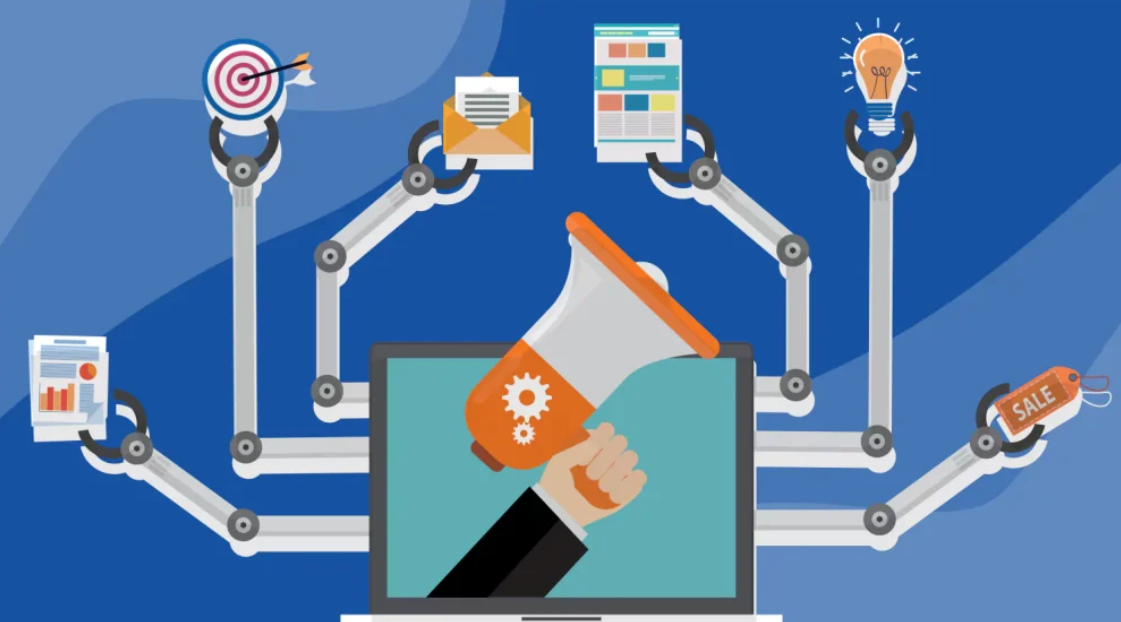
In today’s highly competitive digital business environment, companies are constantly searching for smarter ways to attract customers, nurture leads, and increase long-term loyalty. One of the most effective solutions for achieving these goals is using marketing automation software. Businesses of all sizes now rely on automated systems to streamline marketing campaigns, personalize communication, and improve overall customer experiences.
This comprehensive marketing automation tools comparison will help businesses understand the strengths, weaknesses, and features of modern automation platforms. Whether you run a startup, eCommerce brand, SaaS company, or enterprise-level organization, choosing the right automation solution can significantly improve conversion rates and customer retention.
What Is Marketing Automation?
Marketing automation refers to software platforms designed to automate repetitive marketing tasks such as:
- Email marketing
- Lead nurturing
- Customer segmentation
- Social media scheduling
- CRM integration
- SMS campaigns
- Customer journey mapping
- Analytics and reporting
Instead of manually sending emails or tracking customer behavior, automation tools use workflows and triggers to handle these processes automatically.
For example, when a customer signs up for a newsletter, the system can instantly:
- Send a welcome email
- Deliver personalized product recommendations
- Schedule follow-up emails
- Notify the sales team
- Track engagement and conversions
This automation improves efficiency while delivering more personalized customer experiences.
Why Businesses Need Marketing Automation
Modern consumers expect fast responses, personalized content, and seamless communication. Without automation, businesses often struggle to keep up with customer expectations.
Here are the main benefits companies gain from using marketing automation tools:
1. Higher Conversion Rates
Automated lead nurturing campaigns guide potential customers through the sales funnel more effectively. Businesses can send targeted messages based on user behavior, increasing the likelihood of conversions.
2. Better Customer Retention
Retention is often more profitable than acquisition. Automation platforms help companies maintain consistent communication with existing customers through loyalty campaigns, follow-up emails, and personalized offers.
3. Improved Productivity
Marketing teams save time by automating repetitive tasks, allowing them to focus on strategy and creativity.
4. Personalized Marketing Campaigns
Automation software collects customer data and behavior insights, enabling highly personalized campaigns.
5. Data-Driven Decision Making
Advanced analytics help businesses monitor campaign performance and optimize strategies in real time.
Key Features to Consider in a Marketing Automation Tools Comparison
Before selecting a platform, companies should carefully evaluate essential features.
Email Marketing Automation
The best tools provide drag-and-drop builders, automation workflows, and advanced segmentation.
Important features include:
- Auto responders
- Behavioral triggers
- A/B testing
- Dynamic personalization
- Email templates
CRM Integration
CRM integration ensures sales and marketing teams work together efficiently.
Benefits include:
- Unified customer data
- Improved lead tracking
- Better communication between departments
Lead Scoring
Lead scoring automatically ranks prospects based on behavior and engagement.
This helps sales teams focus on high-quality leads more likely to convert.
Multi-Channel Campaign Support
Modern marketing extends beyond email.
Top platforms support:
- SMS marketing
- Push notifications
- Social media automation
- WhatsApp campaigns
- Live chat integration
Analytics and Reporting
Businesses need detailed analytics to measure ROI and optimize campaigns.
Essential metrics include:
- Open rates
- Click-through rates
- Conversion rates
- Customer lifetime value
- Revenue attribution
Best Marketing Automation Platforms Comparison
Below is a detailed marketing automation tools comparison featuring some of the most popular platforms available today.
HubSpot Marketing Hub
HubSpot is one of the most recognized marketing automation solutions globally. It offers a complete suite for inbound marketing, CRM management, and automation.
Advantages
- Easy-to-use interface
- Excellent CRM integration
- Strong analytics dashboard
- Advanced workflow automation
- Great educational resources
Disadvantages
- Expensive for small businesses
- Premium features require higher plans
Best For
- Growing businesses
- B2B companies
- SaaS startups
Conversion Optimization Features
HubSpot excels in lead nurturing and customer segmentation. Businesses can create personalized workflows that automatically respond to customer behavior.
ActiveCampaign
ActiveCampaign is widely known for combining powerful email marketing with automation and CRM functionality.
Advantages
- Affordable pricing
- Excellent automation builder
- Advanced customer segmentation
- Predictive sending
- Strong email deliverability
Disadvantages
- Learning curve for beginners
- Reporting interface can feel complex
Best For
- Small businesses
- Online stores
- Digital marketers
Customer Retention Features
ActiveCampaign helps businesses build loyalty campaigns based on customer activity and engagement patterns.
Mailchimp
Mailchimp started as an email marketing tool but evolved into a broader automation platform.
Advantages
- Beginner-friendly
- Affordable entry plans
- Good template library
- Basic automation features
- Easy integration options
Disadvantages
- Limited advanced automation
- Expensive scaling costs
Best For
- Startups
- Bloggers
- Small online businesses
Conversion Improvement Features
Mailchimp offers automated abandoned cart emails and customer journey builders to improve sales performance.
Marketo Engage
Marketo is an enterprise-grade automation platform designed for large organizations.
Advantages
- Advanced automation capabilities
- Powerful analytics
- Enterprise scalability
- Strong lead management tools
Disadvantages
- High pricing
- Complex setup process
Best For
- Large enterprises
- B2B organizations
- Global corporations
Retention Features
Marketo provides advanced customer lifecycle management tools that help businesses maintain long-term engagement.
GetResponse
GetResponse combines email marketing, webinars, and automation in one platform.
Advantages
- Webinar functionality
- Sales funnel builder
- Affordable pricing
- Good automation workflows
Disadvantages
- Limited CRM capabilities
- Some integrations require third-party tools
Best For
- Coaches
- Course creators
- Small businesses
Conversion Features
Its built-in sales funnel tools help companies improve lead generation and sales conversions.
Klaviyo
Klaviyo is especially popular among eCommerce brands.
Advantages
- Excellent eCommerce integration
- Advanced segmentation
- Powerful SMS marketing
- Predictive analytics
Disadvantages
- Higher costs for large lists
- Primarily focused on eCommerce
Best For
- Shopify stores
- WooCommerce businesses
- Online retailers
Customer Retention Features
Klaviyo excels at personalized product recommendations and post-purchase automation campaigns.
Pardot by Salesforce
Pardot is Salesforce’s B2B marketing automation solution.
Advantages
- Seamless Salesforce integration
- Advanced lead scoring
- Strong reporting
- Enterprise-level scalability
Disadvantages
- Expensive pricing
- Requires Salesforce knowledge
Best For
- Enterprise B2B businesses
- Sales-driven organizations
Conversion Features
Pardot improves sales alignment through advanced lead qualification and nurturing systems.
Comparing Marketing Automation Tools by Business Size
Choosing the right platform often depends on company size and operational complexity.
| Business Type | Recommended Tools |
|---|---|
| Small Businesses | Mailchimp, ActiveCampaign |
| Startups | GetResponse, Mailchimp |
| eCommerce Stores | Klaviyo, ActiveCampaign |
| Mid-Sized Companies | HubSpot, ActiveCampaign |
| Large Enterprises | Marketo, Pardot |
This marketing automation tools comparison demonstrates that no single platform fits every business.
How Marketing Automation Improves Conversion Rates
Conversion optimization is one of the main reasons businesses invest in automation tools.
Personalized Customer Journeys
Automation platforms track user behavior and deliver relevant content automatically.
For example:
- Product recommendations
- Personalized discounts
- Follow-up reminders
- Re-engagement campaigns
Personalization increases trust and encourages purchasing decisions.
Automated Lead Nurturing
Not every visitor becomes a customer immediately.
Automation workflows help businesses:
- Educate leads
- Build trust
- Address objections
- Move prospects through the funnel
Consistent communication dramatically improves conversion potential.
Behavioral Targeting
Behavioral triggers allow businesses to respond instantly to customer actions.
Examples include:
- Abandoned cart emails
- Browse abandonment reminders
- Repeat purchase offers
- Upsell campaigns
These campaigns often generate significantly higher conversion rates than generic email blasts.
How Marketing Automation Improves Customer Retention
Customer retention directly impacts long-term business profitability.
Consistent Customer Communication
Automation tools ensure customers remain engaged after their first purchase.
Companies can automate:
- Welcome sequences
- Loyalty rewards
- Birthday offers
- Renewal reminders
- Product education emails
Customer Lifecycle Campaigns
Different customers require different communication strategies.
Automation platforms allow businesses to create lifecycle campaigns for:
- New customers
- Active buyers
- Inactive customers
- VIP customers
This targeted communication strengthens relationships and increases retention.
Feedback and Survey Automation
Businesses can automatically collect customer feedback through:
- Surveys
- Product reviews
- Net Promoter Score campaigns
This helps companies improve products and customer experiences.
Important Factors Before Choosing a Marketing Automation Tool
Before making a final decision, companies should consider several critical factors.
Budget
Pricing structures vary significantly.
Some platforms charge based on:
- Number of contacts
- Email volume
- Features included
- User accounts
Businesses should calculate long-term scalability costs.
Ease of Use
A complicated system may reduce team productivity.
Look for:
- Intuitive dashboards
- Drag-and-drop builders
- Easy workflow setup
- Helpful tutorials
Integration Capabilities
Automation software should integrate with existing business systems such as:
- CRM software
- eCommerce platforms
- Analytics tools
- Payment gateways
Scalability
Companies should choose solutions that grow with their business.
A small business today may require enterprise-level automation in the future.
Common Mistakes Businesses Make With Marketing Automation
Even powerful tools can fail if used incorrectly.
Over-Automation
Too many automated messages can overwhelm customers.
Businesses should balance automation with authentic communication.
Poor Segmentation
Sending irrelevant content damages engagement and trust.
Proper audience segmentation is essential.
Ignoring Analytics
Many companies fail to analyze campaign performance.
Regular optimization is necessary for long-term success.
Weak Content Quality
Automation cannot compensate for poor content.
Businesses still need valuable:
- Emails
- Landing pages
- Offers
- Customer experiences
Future Trends in Marketing Automation
The future of marketing automation continues evolving rapidly.
Artificial Intelligence Integration
AI-powered automation tools now provide:
- Predictive analytics
- Smart recommendations
- AI-generated content
- Automated optimization
AI helps businesses create more efficient campaigns with less manual effort.
Hyper-Personalization
Future automation systems will use deeper customer insights to deliver highly personalized experiences.
This includes:
- Real-time product recommendations
- Dynamic website content
- Predictive customer behavior analysis
Omnichannel Automation
Customers now interact across multiple platforms.
Businesses increasingly require unified automation across:
- SMS
- Social media
- Websites
- Mobile apps
Marketing Automation ROI
Many companies hesitate because of software costs, but automation often delivers strong ROI.
Businesses commonly experience:
- Increased sales conversions
- Reduced manual workload
- Higher customer retention
- Better lead quality
- Improved marketing efficiency
Over time, automation software often becomes one of the most profitable digital investments.
Best Practices for Successful Marketing Automation
To maximize results, businesses should follow proven strategies.
Build Quality Customer Segments
Effective segmentation improves engagement and personalization.
Examples include:
- Purchase history
- Geographic location
- Customer interests
- Engagement levels
Create Valuable Content
Automation works best when paired with useful content.
Focus on:
- Educational emails
- Helpful guides
- Exclusive offers
- Personalized recommendations
Test and Optimize Campaigns
Continuous testing improves performance.
Businesses should regularly test:
- Subject lines
- Call-to-action buttons
- Email timing
- Landing pages
Align Marketing and Sales Teams
Marketing automation performs best when sales and marketing collaborate effectively.
Shared goals improve lead management and conversion rates.
Final Thoughts on Marketing Automation Tools Comparison
This detailed marketing automation tools comparison shows that automation software has become essential for modern businesses aiming to improve conversion rates and customer retention.
The right platform depends on several factors:
- Business size
- Budget
- Industry
- Marketing complexity
- Growth goals
For small businesses, tools like ActiveCampaign and Mailchimp provide affordable automation capabilities. Mid-sized companies often benefit from HubSpot’s all-in-one ecosystem, while enterprises may require the advanced scalability of Marketo or Pardot.
No matter which platform a company chooses, successful automation requires thoughtful strategy, high-quality content, and continuous optimization.
Businesses that effectively use marketing automation can build stronger customer relationships, increase operational efficiency, and achieve sustainable long-term growth in an increasingly competitive digital marketplace.