BUSINESS B2B
4 stages of startup funding, 6 ways to get startup funding, crowdfunding for startups, how to get startup funding, how to get startup funding for a small business, seed funding for startups, start up funding, startup funding, startup funding explained, startup funding for small business, startup funding guide, startup funding stages, startup fundraising explained, startup stock options, startup stock options explained, startup tips, the 4 stages of startup funding explained, trends in startup funding
admin
0 Comments
How to Choose the Right Startup Funding Options USA Without Losing Equity Too Fast
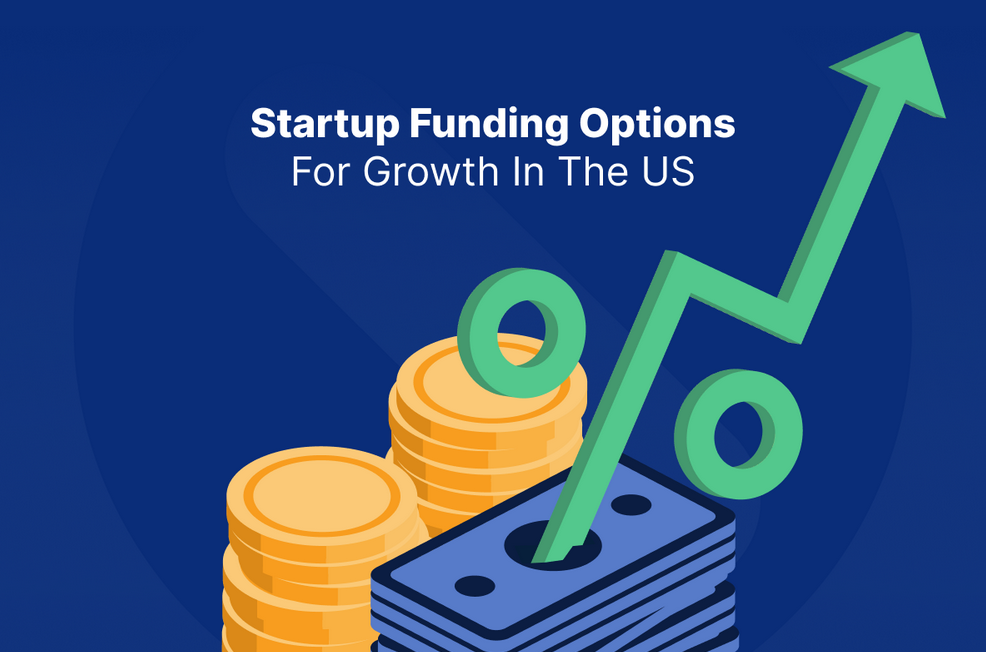
Finding the right startup funding options USA entrepreneurs can rely on is one of the most important decisions in building a successful business. The funding path you choose will not only determine how fast your company grows but also how much control and ownership you keep along the way.
Many founders make the mistake of giving away too much equity too early, which can limit long-term profits and decision-making power. The goal is not just to get money—it’s to get the right kind of money at the right time.
In this in-depth guide, you’ll learn how startup funding works in the United States, the different types of funding available, and how to strategically choose options that help you grow without losing control of your company too quickly.
Understanding Startup Funding Options USA Entrepreneurs Commonly Use
Before choosing a funding strategy, you need to understand the main startup funding options USA founders typically use. Each option comes with advantages, risks, and levels of equity dilution.
1. Bootstrapping (Self-Funding)
Bootstrapping means using your own savings or revenue to fund your startup.
Pros:
- Full ownership retained
- No investor pressure
- Complete decision control
Cons:
- Limited capital
- Slower growth
- Personal financial risk
Bootstrapping is ideal in the early stage when costs are low and you are still validating your business idea.
2. Friends and Family Funding
Many startups in the USA start with funding from people they know.
Pros:
- Easier to access
- Flexible terms
- Faster than formal investors
Cons:
- Risk of personal relationship conflict
- Often small funding amounts
- Lack of professional guidance
This option should be used carefully and documented legally to avoid misunderstandings.
3. Angel Investors
Angel investors are individuals who invest their own money in early-stage startups.
Pros:
- Mentorship and experience
- Faster funding decisions
- No loan repayment required
Cons:
- Equity dilution
- Investor influence in decisions
- Expectations for high returns
Angel investment is one of the most popular startup funding options USA founders use in the early growth stage.
4. Venture Capital (VC) Funding
Venture capital firms invest large amounts in startups with high growth potential.
Pros:
- Large capital injections
- Strong networking opportunities
- Fast scaling potential
Cons:
- Significant equity loss
- High pressure for growth
- Less control for founders
VC funding is powerful but should be approached carefully if you want to avoid losing too much ownership early.
5. Small Business Loans
Traditional bank loans or SBA loans are common in the USA.
Pros:
- No equity loss
- Predictable repayment structure
- Builds business credit
Cons:
- Requires good credit history
- Collateral may be needed
- Monthly repayment pressure
Loans are ideal for founders who want to preserve ownership while funding expansion.
6. Crowdfunding
Platforms like Kickstarter or Indiegogo allow startups to raise money from the public.
Pros:
- Market validation
- No equity loss (in reward-based models)
- Marketing exposure
Cons:
- Requires strong marketing
- No guarantee of success
- Time-consuming campaign preparation
Crowdfunding is increasingly popular among consumer product startups.
7. Revenue-Based Financing
This model allows startups to repay investors using a percentage of monthly revenue.
Pros:
- No equity dilution
- Flexible repayment
- Aligns investor success with business performance
Cons:
- Can be expensive over time
- Requires consistent revenue
- Not suitable for early pre-revenue startups
Why Founders Lose Equity Too Fast
One of the biggest mistakes in choosing startup funding options USA entrepreneurs face is giving away equity too early or too cheaply.
Here are common reasons why this happens:
1. Lack of Funding Strategy
Many founders accept the first investment offer without comparing alternatives.
2. Overvaluing Speed Over Ownership
Fast funding feels good, but it often comes at the cost of long-term control.
3. Poor Understanding of Valuation
Without knowing your startup’s real value, you may give away too much equity for too little capital.
4. Pressure from Investors
Some investors push for larger equity shares in exchange for funding security.
How to Choose the Right Startup Funding Options USA
Choosing the right funding method is not just about money—it’s about timing, growth stage, and long-term goals.
Step 1: Identify Your Startup Stage
Your funding needs depend heavily on your stage:
- Idea Stage: Bootstrapping, friends & family
- Early Stage: Angel investors, crowdfunding
- Growth Stage: Venture capital, loans, revenue financing
- Expansion Stage: VC, private equity, strategic investors
Step 2: Define Your Ownership Goals
Ask yourself:
- Do I want to stay in control long-term?
- Am I willing to trade equity for speed?
- How much decision power do I want to retain?
If maintaining control is important, avoid heavy VC dependency too early.
Step 3: Evaluate Funding Cost Beyond Money
Funding is not just financial—it has hidden costs:
- Equity dilution
- Loss of decision control
- Pressure for rapid growth
- Reporting obligations
Always compare the real cost of capital, not just the dollar amount.
Step 4: Mix Funding Sources (Smart Strategy)
Most successful founders do not rely on a single source. Instead, they combine several startup funding options USA offers:
Example strategy:
- Bootstrapping for MVP development
- Angel investment for market entry
- Loans for operational scaling
- VC funding only when scaling aggressively
Step 5: Negotiate Equity Terms Carefully
When dealing with investors:
- Avoid giving equity too early
- Use convertible notes or SAFE agreements
- Set clear valuation caps
- Negotiate milestone-based funding
This helps reduce unnecessary dilution.
Best Strategies to Avoid Losing Too Much Equity
Here are proven methods to protect ownership while still raising capital:
1. Build Traction Before Raising Money
Revenue or user growth increases your valuation, reducing equity dilution.
2. Use Debt Before Equity
Loans and credit lines help preserve ownership.
3. Raise Only What You Need
Overfunding leads to unnecessary dilution.
4. Increase Company Valuation Strategically
Improve product-market fit before fundraising.
5. Work With Strategic Investors
Choose investors who add value beyond money.
Common Mistakes Founders Make
Avoid these mistakes when exploring startup funding options USA:
- Accepting first investment offer without negotiation
- Giving away equity before validating the business model
- Ignoring loan-based funding options
- Not understanding dilution math
- Focusing only on valuation instead of control
Example Funding Path for a Startup
Here is a balanced approach many successful startups follow:
- Months 1–6: Bootstrapping (build MVP)
- Months 6–12: Angel investment (early scaling)
- Year 1–2: Revenue reinvestment + small loan
- Year 2+: VC funding (only if scaling rapidly)
This approach minimizes equity loss while maximizing flexibility.
Future Trends in Startup Funding USA
The funding landscape is evolving rapidly:
1. Rise of Revenue-Based Financing
More startups prefer non-dilutive funding.
2. AI-Driven Investment Decisions
Investors increasingly use data models for funding decisions.
3. Crowdfunding Growth
Community-backed funding is becoming mainstream.
4. Micro-VC Expansion
Smaller VC firms are offering more founder-friendly deals.
Final Thoughts
Choosing the right startup funding options USA entrepreneurs depend on is about balance. You need enough capital to grow, but not so much equity loss that you lose control of your company.
The smartest founders think long-term. They combine multiple funding sources, avoid unnecessary dilution, and always negotiate from a position of strength.